
Healing from Within: Mindfulness Practices That Center You — 7 Powerful Ways to Transform Your Life
Healing from Within: Mindfulness Practices That Center You explores practical, grounding, and science-backed techniques to help you feel calmer, more present, and deeply connected to yourself.
EMOTIONAL & SPIRITUAL EMPOWERMENT
Ava Hope Monroe
12/5/20254 min read
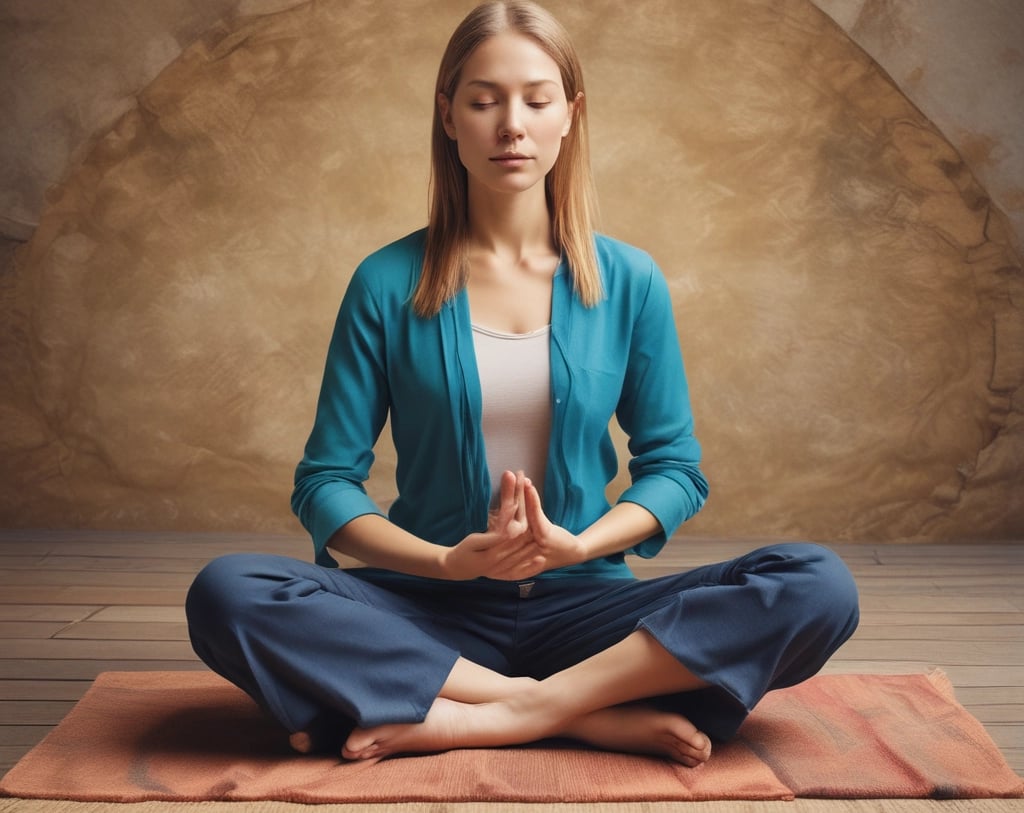
Healing from Within: Mindfulness Practices That Center You
Mindfulness has become one of the most powerful tools for personal transformation—and for good reason. Healing from Within: Mindfulness Practices That Center You isn’t just a topic; it’s a journey that millions of people are taking to feel more grounded, emotionally balanced, and mentally strong. In today’s busy world, where distractions pull at us from every direction, developing the ability to slow down and tune into our inner world has never been more important.
Mindfulness guides us back to our core. It quiets mental noise, nurtures inner peace, and reconnects us to the present moment. Whether you’re new to mindfulness or you’re deep into your personal growth journey, the insights below will help you better understand how healing from within truly works—and how you can begin centering your life today.
Understanding the Concept of Healing from Within
Healing from within is the process of restoring harmony in your mind, emotions, and body by turning your attention inward. Instead of seeking relief from external sources, you learn to rely on your own awareness, intuition, and inner calm.
This approach recognizes that true healing doesn’t start with fixing what's around you—it begins with understanding what’s happening within you. Mindfulness gently guides you toward this awareness, allowing you to reflect, breathe, and heal in ways that feel grounded and compassionate.
The Science Behind Mindfulness and Inner Healing
Researchers have repeatedly found that regular mindfulness practice reshapes the brain in powerful ways. Studies show improvements in emotional regulation, stress reduction, and mental clarity. Mindfulness activates the parasympathetic nervous system, calming the fight-or-flight response and helping you feel centered even in stressful moments.
Neuroplasticity—your brain’s ability to adapt—thrives through mindfulness, helping form new pathways that support inner peace, focus, and emotional stability.
Benefits of Mindfulness Practices That Center You
Practicing mindfulness consistently offers a number of transformative benefits:
Reduced stress and anxiety
Enhanced emotional balance
Improved mental clarity
Increased self-awareness
Better sleep
Improved physical wellness, including lower blood pressure
Mindfulness doesn’t just change how you think—it changes how you feel inside your body and how you respond to life.
Core Mindfulness Practices for Inner Healing
Breath Awareness Techniques
Breathing is your most accessible healing tool. Deep breathing, box breathing, and diaphragmatic breathing help slow down your nervous system and instantly bring you back into your body.
Body Scan Meditation
This practice helps you tune into physical tension, emotional discomfort, and areas of stress. By gently acknowledging each part of your body, you reconnect to yourself and release what no longer serves you.
Loving-Kindness Meditation
This soulful practice centers you through compassion—for yourself and others. Research shows that it boosts emotional resilience, reduces anger, and strengthens interpersonal relationships.
Grounding Rituals for Daily Life
Grounding practices use your senses to anchor you in the present moment. These include touching textures, observing colors around you, or focusing on bodily sensations to reduce overwhelm.
How to Build a Daily Mindfulness Routine
A daily mindfulness routine doesn’t have to be complicated. Start with just 5 minutes each morning. You can stack habits—such as meditating after brushing your teeth—or use gentle reminders on your phone. What matters most is consistency and self-compassion.
Mindfulness for Emotional Healing
Emotional healing begins with awareness. Mindfulness teaches you to observe your emotions without judgment. Instead of suppressing feelings, you acknowledge them with curiosity. Over time, this practice dissolves emotional resistance and nurtures inner peace.
Movement-Based Mindfulness Practices
Mindfulness isn’t limited to meditation. Moving mindfully through yoga, tai chi, or even a simple walk helps release tension stored in the body. Movement allows you to ground your energy and realign with your inner center.
Mindfulness for Stress Relief & Anxiety Reduction
Mindfulness offers reliable tools for managing stress and anxiety, including:
Slow breathing patterns
Guided visualizations
Grounding techniques
Gentle mantras
Even small shifts—like placing your hand on your heart and breathing deeply—can interrupt the stress cycle.
Journaling for Inner Clarity and Centering
Journaling provides emotional release and clarity. Prompts such as “What do I need right now?” or “Where am I holding tension?” help you connect to your inner experience.
Digital Mindfulness in a Busy World
With constant notifications and digital noise, learning to set healthy tech boundaries is essential. Simple actions like turning off unnecessary alerts or using focus mode protect your attention and energy.
Common Mistakes to Avoid in Mindfulness Practice
Expecting instant results
Trying too hard to “clear the mind”
Practicing inconsistently
Judging yourself during meditation
Treating mindfulness like a chore
Mindfulness works best when approached with patience and curiosity.
Frequently Asked Questions
1. How long does it take for mindfulness to work?
Most people feel calmer within days, but deeper transformation comes with consistent practice over weeks or months.
2. Can mindfulness help with anxiety?
Yes. Mindfulness reduces overthinking, calms the nervous system, and promotes emotional balance.
3. Do I need special equipment to practice mindfulness?
Not at all. All you need is your breath and a quiet space.
4. How often should I practice?
Daily practice—even for 5 minutes—is ideal.
5. Can kids practice mindfulness?
Absolutely. Mindfulness is beneficial for all ages.
6. Is mindfulness religious?
No. Mindfulness is a secular practice grounded in psychology and wellness research.
Conclusion
Healing from within is a journey—a gentle, loving return to yourself. Mindfulness practices that center you make this journey possible by nurturing awareness, compassion, and peace. When you slow down, breathe, and reconnect to your inner landscape, you unlock a healthier, calmer, and more centered version of yourself.